The budget IEM market has a bad habit of turning every new release into a tiny referendum on value. A product lands, the graphs appear, the comparisons start, and within hours the conversation drifts toward whether it beats five other sets at the same price. The SIVGA Que is interesting because it pushes against that reflex a little. Instead of arriving as a spec-sheet stunt, it arrives as a reminder that a well-priced earphone can still feel deliberate, tactile, and tuned for pleasure rather than debate.
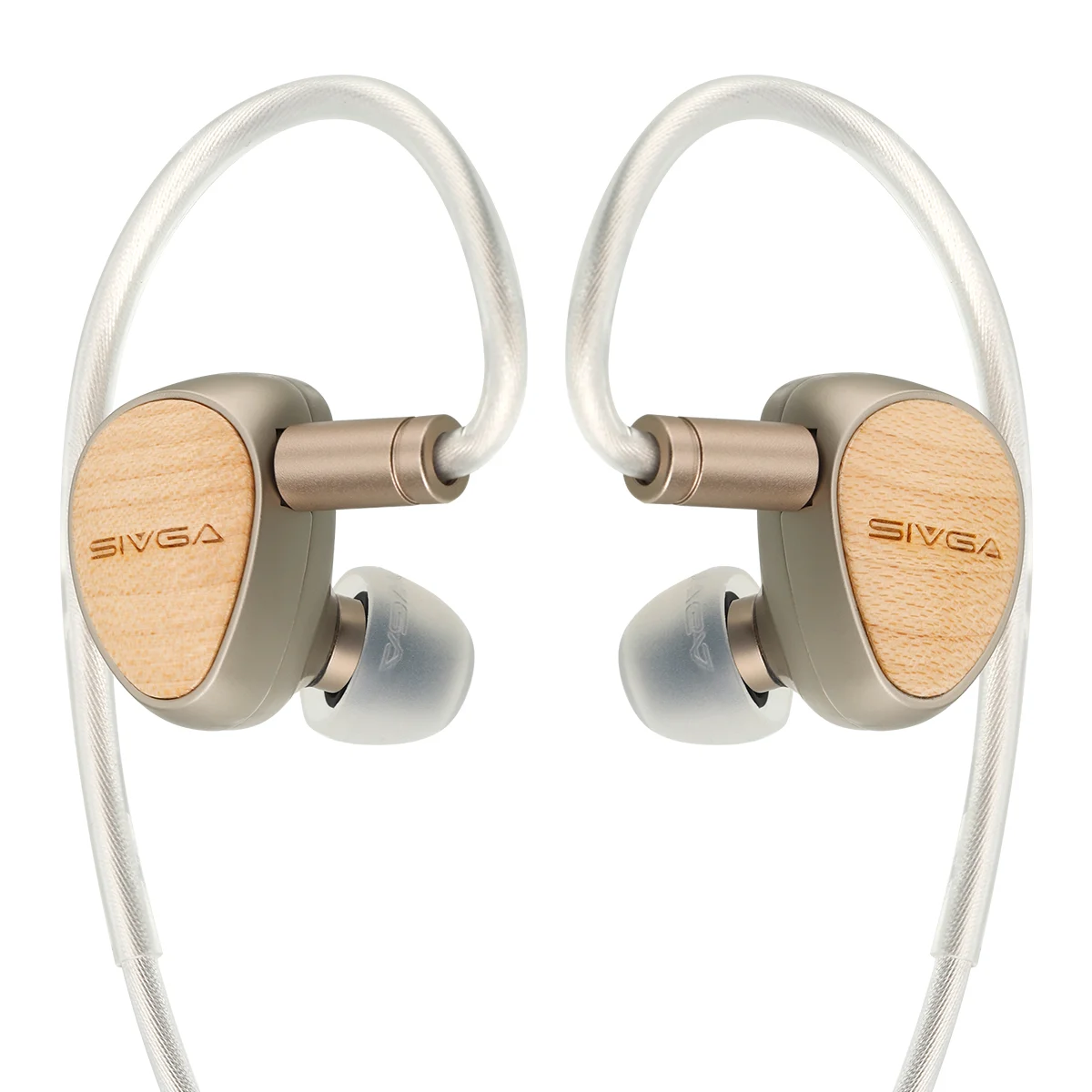
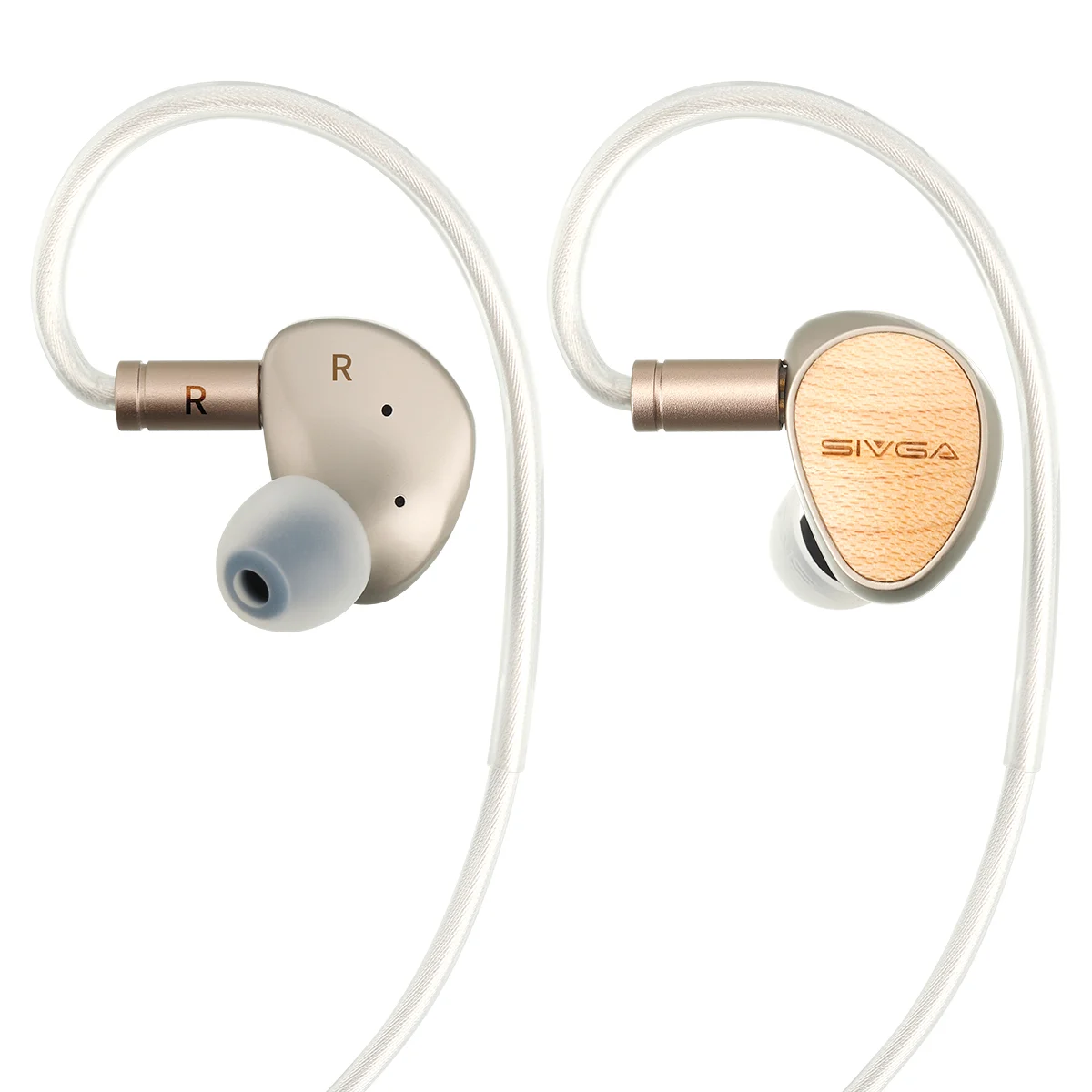
The Que is a single dynamic-driver in-ear monitor built around a 10mm beryllium-plated diaphragm, housed in a zinc-alloy shell with a maple wood faceplate, and sold at roughly $70. It uses a standard 0.78mm 2-pin connection, arrives with a fixed 3.5mm cable, and includes a case and multiple silicone tip options. On paper that is already a solid start. In practice, what gives the Que its identity is not one dramatic headline feature but the way its design and tuning are aimed at listeners who want music to feel full, forgiving, and easy to enjoy.
The angle: a budget IEM for listeners who care as much about feel as frequency charts
That makes the SIVGA Que fairly simple to understand. This is not the budget set to buy if your first priority is squeezing out every last edge in detail retrieval or chasing the most clinical form of neutrality. It is the budget set to consider if you want something that looks better than its price, fits into long listening sessions without drama, and leans into a warmer, more inviting presentation. For newer hobbyists, that combination can matter more than the endless race for “technicalities.” For experienced listeners, it can make the Que appealing as a relaxed secondary set rather than another hyper-competitive tuning exercise.
Design, build, and daily usability are a real part of the appeal
SIVGA’s official description leans heavily on the shell construction, and that emphasis makes sense. In a category crowded with resin shells and interchangeable visual themes, the Que stands out by looking like somebody actually cared what it would feel like in the hand. The maple faceplate and metal body give it a slightly old-school hi-fi charm, and that sense of finish is one of the strongest reasons to notice it in the first place. Even before the first song, the Que makes a better impression than many of its direct rivals.
That premium tilt is not just cosmetic. The included cable and carrying case are also unusually good for the money, which matters more than some brands seem to realize. A budget IEM can sound excellent and still feel disposable if the case is flimsy or the cable feels like an afterthought. The Que avoids that trap. The trade-off is that the stock cable is only offered with a 3.5mm termination, so buyers who already live in a balanced-cable world may see that as a limitation rather than a convenience.
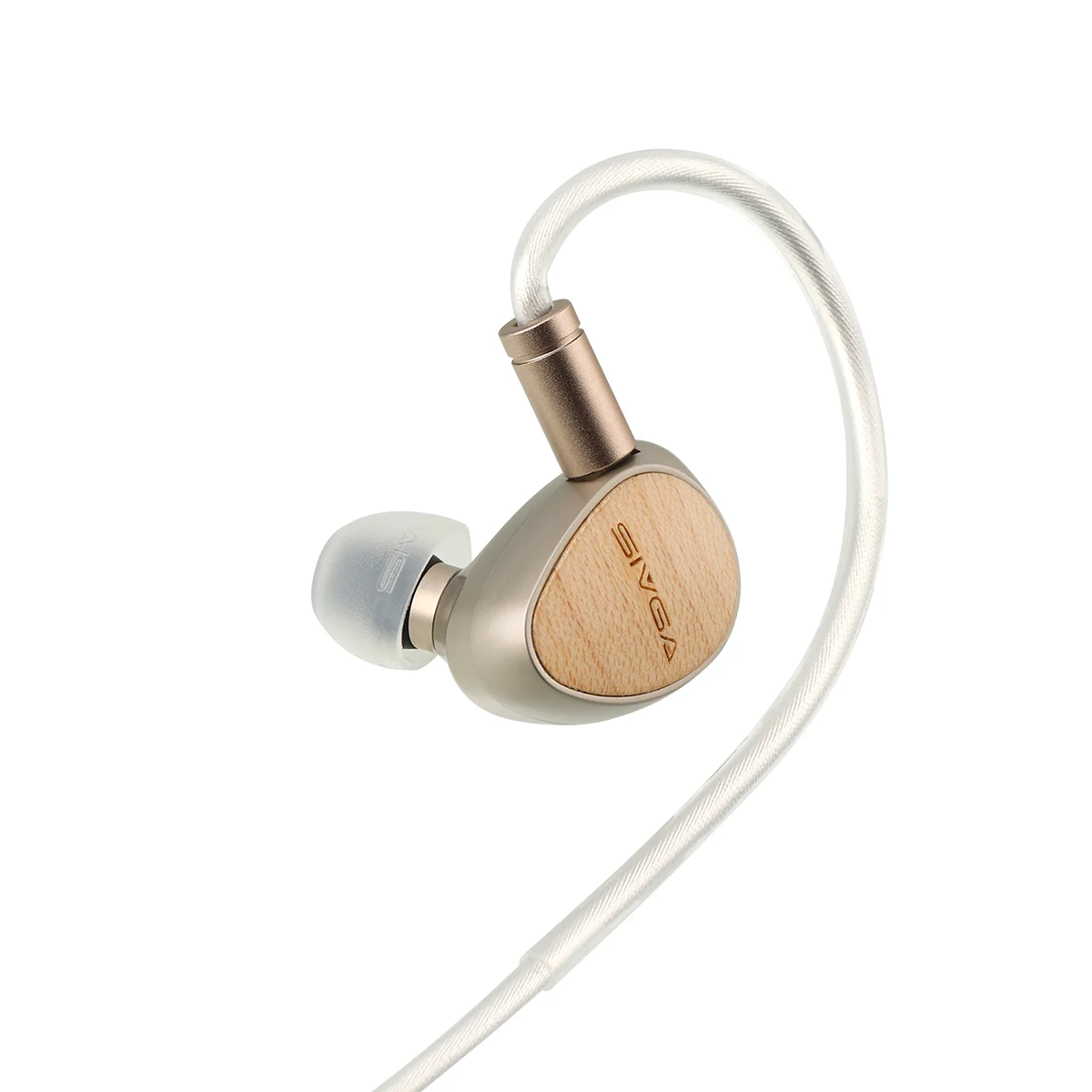
Comfort is another quiet strength, though not identical for every ear. The shell is easy to wear for long stretches, while the tall, narrow shape can feel a little unusual at first. Fit remains personal. The broader takeaway is encouraging: the Que is not a difficult or punishing shell. For a daily-use IEM, that already puts it in a better position than many aggressively styled competitors.
How it sounds: warm, lively, and more interested in enjoyment than analysis
The clearest trait is tonal direction. The Que is not a flat or reference-minded earphone. It leans warm, bass-forward, and generally musical, with enough upper-end energy to keep that warmth from turning sleepy. It is a welcome alternative to the neutral-bright trend in entry-level tuning. The lows are powerful, with enough balance up top to keep the presentation engaging. With some tips and sources, it takes on a more vivid, brighter V-shaped edge. This is an expressive tuning, not a studio tool.
That matters because the Que’s appeal depends on what kind of listener you are. If you mainly want dense bass lines, fuller note weight, and a presentation that makes pop, rock, R&B, jazz, and casual electronic listening feel immediate and substantial, the Que sounds easy to like. Its low-end punch and general sense of body are strengths, and the midrange is neither thin nor sterile. Vocals carry enough weight to avoid sounding ghostly, which is often where cheaper V-shaped IEMs start to lose the plot.
The caution comes when the conversation turns from tone to precision. The stage is surprisingly open for the price, with a sense of immersion that makes the Que stand out. Imaging is average, detail retrieval is modest, and the bass can blur a little in busy mixes. The practical conclusion: the Que can sound spacious and exciting for its class, but buyers should not approach it expecting the cleanest, most dissecting presentation under $100.
Treble is the other area where expectations should stay grounded. The Que avoids the sharp, punishing kind of brightness that can ruin long sessions, but it is not dark or rolled off either. Depending on pairing and fit, there is enough energy up top to provide air and contrast, though not class-leading sparkle or microdetail. In plain language: the Que is tuned to keep music lively, not to impress you with microscopic edge definition.
What the Que gets right in the current market
What makes the Que feel relevant is that it avoids two common budget mistakes at once. First, it is not cheaply made. Second, it does not chase artificial excitement by thinning out the mids or overcooking the treble. There are plenty of inexpensive IEMs that can sound immediately “detailed” because they push upper frequencies forward and reduce body everywhere else. The Que takes the opposite path. It aims for richness, comfort, and everyday listenability, then accepts that it may lose a few points in raw technical showmanship. That is a grown-up decision for a product at this price.
That also gives the Que a clear audience. It makes the most sense for the listener who wants a first “real” IEM that feels special, or for the hobbyist who already owns brighter or leaner sets and wants something softer around the edges. If your library leans vocal-heavy, bass-friendly, or genre-hopping rather than aggressively analytical, the Que’s tuning philosophy sounds more sensible than trendy. It may not be the last word in separation, but it understands the difference between hearing more and enjoying more.
What to know before buying
The first thing to know is that the Que probably lives or dies by taste. If you want a leaner neutral tuning, faster bass lines, or the sort of upper-mid spotlight that throws detail at your face, there are other sub-$100 sets that will sound more obviously “audiophile” on first listen. The second is that tip selection matters quite a bit. The Que responds to tip changes, with different eartips helping control mid-bass bleed and alter the sense of openness. That does not mean the stock setup is poor, but the best version of the Que may require a little experimentation.
The third is that source matching can refine the experience, even if the Que is easy to drive. Officially it sits at 32 ohms with 108 dB sensitivity, so it runs comfortably from straightforward portable gear. Brighter or cleaner sources sharpen the presentation a little. That is good news, not bad news: the Que is not demanding, yet it still leaves room for small system improvements if you want them.
Verdict
The SIVGA Que is a budget IEM designed by people who remembered that audio gear is still a physical object. It is handsome, thoughtfully accessorized, and tuned with a clear preference for warmth, body, and non-fatiguing enjoyment over sterile precision. That does not make it the universal budget recommendation. Listeners chasing maximum detail, harder-edged neutrality, or the tightest bass texture may find stronger fits elsewhere. But for anyone who wants an affordable IEM that feels more elegant than disposable and sounds more inviting than performative, the Que makes a strong case for itself.
In other words, the SIVGA Que’s real trick is not that it wins every category. It is that it understands which categories most people actually live with. Comfort. Build. Tone. The pleasure of picking something up and wanting to use it again. In a crowded field, that is a more durable kind of value than hype.