The easiest way to waste money in portable audio is to assume that every IEM improves just because the DAC gets bigger, pricier, or more powerful. In practice, a good pairing usually comes down to a few much less glamorous things: low output impedance, low noise, enough power headroom, and a tuning that actually suits your taste.
That is why I think most people should stop asking, “What is the best DAC for this IEM?” and start asking, “What kind of source keeps this IEM stable, quiet, and enjoyable?” Once you frame it that way, the shopping process gets a lot simpler. You are not chasing bragging rights. You are building a chain that lets your IEM sound like itself, or nudges it in a direction you genuinely prefer.
Start with impedance matching, because it changes more than people expect
If you remember only one technical rule, make it this one: your source’s output impedance should stay comfortably lower than your IEM’s impedance, with the old “rule of eights” still being a useful shorthand. In other words, if your IEM is rated at 16 ohms, you generally want the source output impedance at 2 ohms or less, and ideally around 1 ohm or below for modern multi-driver sets.
The reason is not just volume. Output impedance interacts with the IEM’s own impedance curve. When that interaction gets too strong, the tonal balance can shift: bass can get thicker, mids can recede, and the treble can soften or tilt in strange ways. Headphones.com’s 2025 explainer makes this point very clearly, and it lines up with what a lot of IEM users hear in the real world when the same set sounds clean from a dongle but bloated from a laptop jack or interface.
This matters even more with hybrid IEMs that mix dynamic drivers and balanced armatures. Those designs can react more obviously to source impedance, so a supposedly “better” source can actually pull the tuning away from what the IEM designer intended. If you want the safest default, choose a source with output impedance around 1 ohm or lower and move on.
Then choose your source the sensible way: noise first, power second, features third
A lot of sensitive IEMs do not need heroic power. They need a quiet source. That means the first thing I look for is not headline wattage but hiss performance, background noise, and volume control behavior. An ultra-sensitive IEM on a noisy source is miserable even if the source measures powerful on paper.
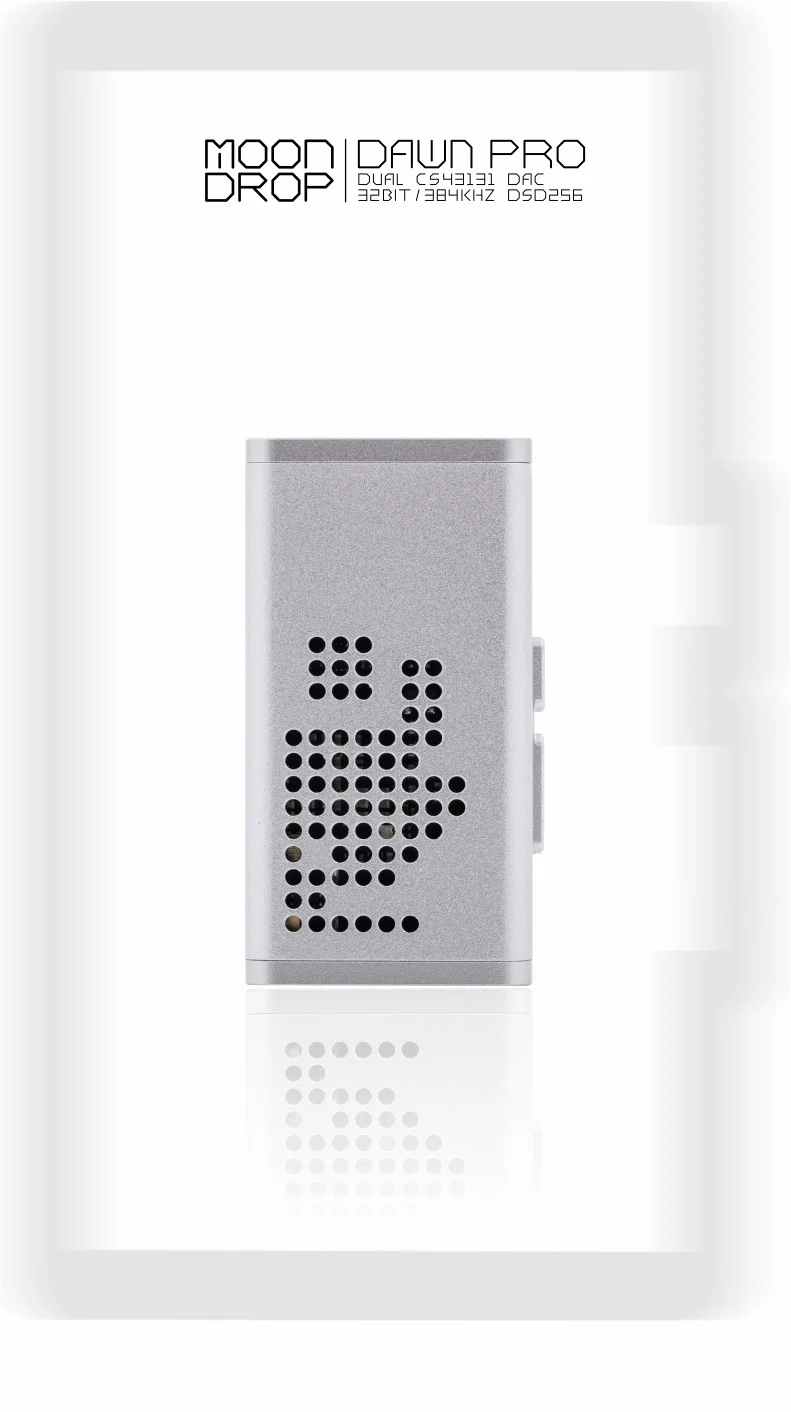
Take the Moondrop Dawn Pro as a useful example of the right priorities. Moondrop lists extremely low background noise figures, plus 2 Vrms from 3.5 mm and 4 Vrms from 4.4 mm. That is exactly the kind of spec sheet I like for IEM duty: quiet enough for sensitive earphones, but with enough headroom that you are not pinned near max volume all the time.
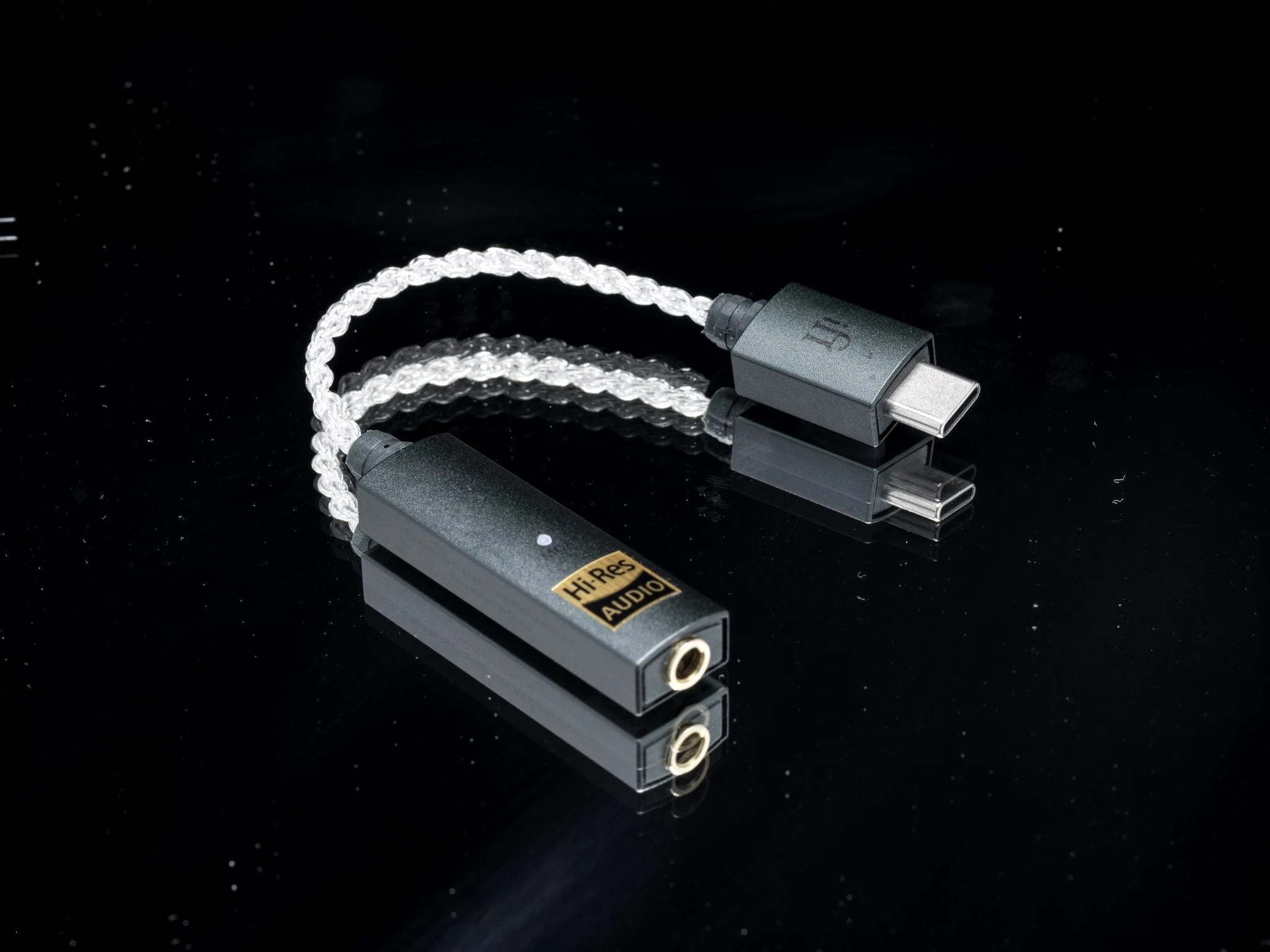
The iFi GO link makes the same point from the affordable end. iFi rates it at 70 mW into 32 ohms with a 3.5 mm output, which is more than enough for a huge number of easy-to-drive IEMs. That does not mean it is the “best” source. It means it clears the bar that actually matters: low-cost, portable, and powerful enough without becoming overkill.
My advice is simple. Buy in this order: low output impedance, low noise floor, usable volume steps, then enough power for your specific gear. Balanced output is nice if your IEM cable already supports it or if a device offers substantially better headroom from 4.4 mm, but it is not automatically a sound-quality upgrade. For many listeners, a good single-ended dongle already solves the real problem.
What specs actually matter when you are comparing DACs for IEMs
If you are staring at product pages and trying to separate useful information from marketing fog, this is the shortlist I would use.
- Output impedance: ideally around 1 ohm or below for broad IEM compatibility.
- Noise floor or background noise: especially important for very sensitive IEMs.
- Voltage or power output: enough headroom matters; excess is not automatically useful.
- Volume control granularity: sensitive IEMs are frustrating when one click is too quiet and the next is too loud.
- Practical features: USB-C, battery drain, heat, app support, and whether it works cleanly with your phone or laptop.
What I would de-prioritize for a first purchase is the endless DAC-chip arms race. Chipsets matter less than implementation, and implementation matters less than whether the device is electrically well matched to your IEM. An ordinary, well-behaved dongle often beats a fancy but noisy or high-impedance source.
Finding your sound signature is mostly about honesty, not jargon
People get stuck here because audio language can sound more precise than it really is. Still, the broad categories are useful. Moon Audio’s 2025 sound-signature guide lays them out in plain English: bright and analytical tunings emphasize treble detail, neutral aims for minimal coloration, warm adds weight through the lower registers, and V-shaped or U-shaped tunings lift both bass and treble for a more energetic presentation.
The trick is to map those labels to your actual listening habits. If you keep turning up vocal jazz, acoustic recordings, or small ensemble music because you want more texture and separation, you may prefer neutral to neutral-bright tuning. If you mainly listen to pop, hip-hop, EDM, or modern rock and want drums and bass lines to feel bigger, you probably lean warm or mildly V-shaped. If long listening sessions leave you tired, you may not dislike detail at all; you may simply be treble-sensitive.
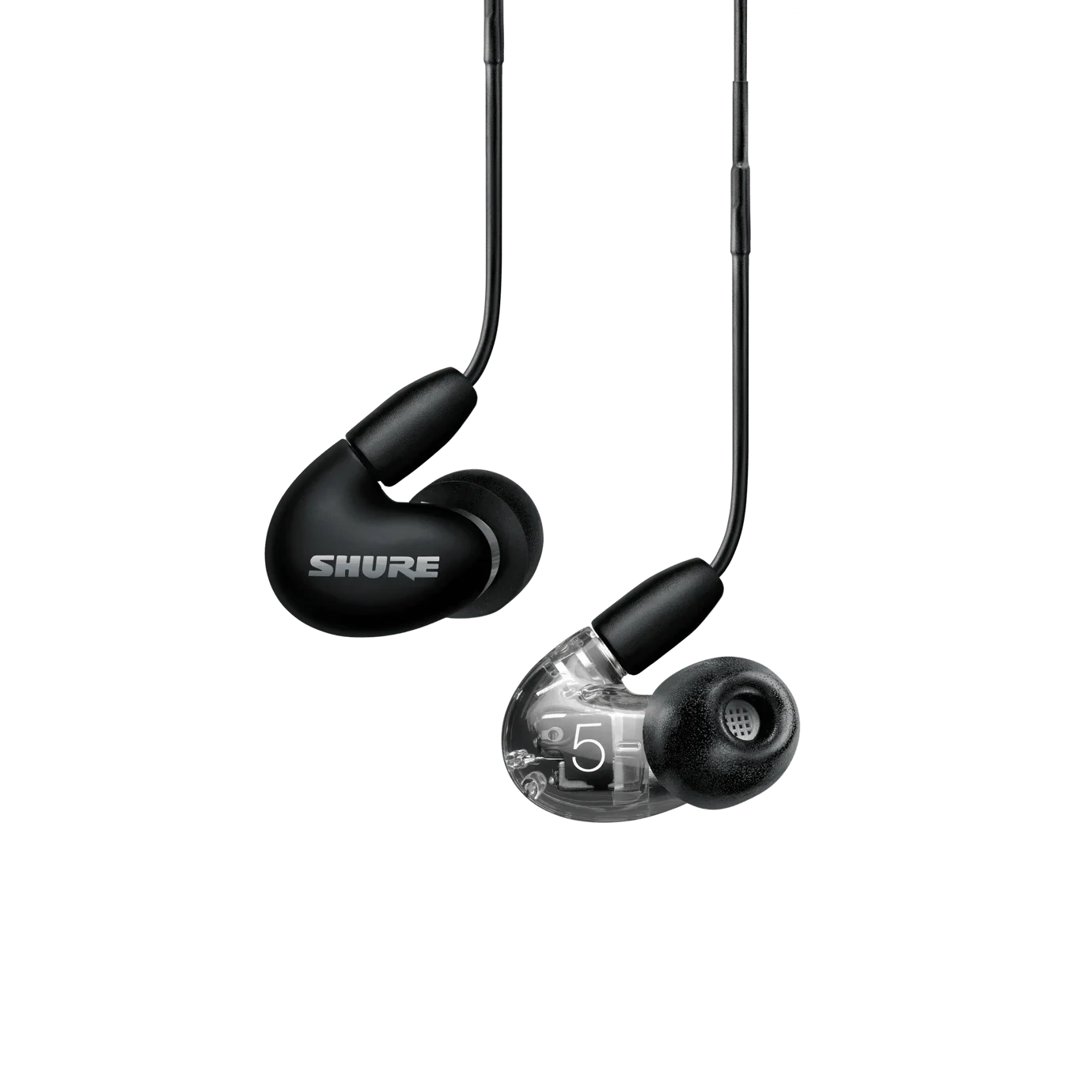
I also think many people overestimate how much their DAC should define their sound signature. The IEM still does most of the tonal heavy lifting. Your source should usually preserve the IEM’s intended sound, not rescue a tuning you already dislike. If you own a bright IEM and keep shopping for a “warm DAC” to fix it, there is a good chance you simply want a different IEM.
Three easy pairing paths I would recommend
If you want the process to feel less abstract, here is the practical version.
- For most people: buy a clean, low-impedance dongle and stop there. If your IEM is easy to drive, this is usually enough.
- For very sensitive IEMs: prioritize low hiss, fine volume steps, and stable USB behavior over raw output numbers.
- For listeners with a clear tonal preference: choose the IEM for the signature you want, then choose a source that stays electrically out of the way.
That last point is the one I wish more buyers heard earlier. Source upgrades are real, but they are often subtle once you already have a competent DAC and amp. The big swings in enjoyment usually come from tuning, fit, tips, seal, and comfort. Get those right first.
My bottom line
The best IEM + DAC pairing is usually not the most dramatic one. It is the one that keeps noise low, output impedance low, volume control usable, and your IEM’s tuning intact. From there, your actual taste takes over: warm, neutral, bright, V-shaped, relaxed, punchy, whatever keeps you listening longer.
If you are building from scratch, I would start with a reliable low-impedance dongle, learn what kind of tuning you naturally reach for, and only then spend more. That path is less exciting than buying the biggest DAC you can justify, but in my experience it leads to better systems and fewer expensive detours.