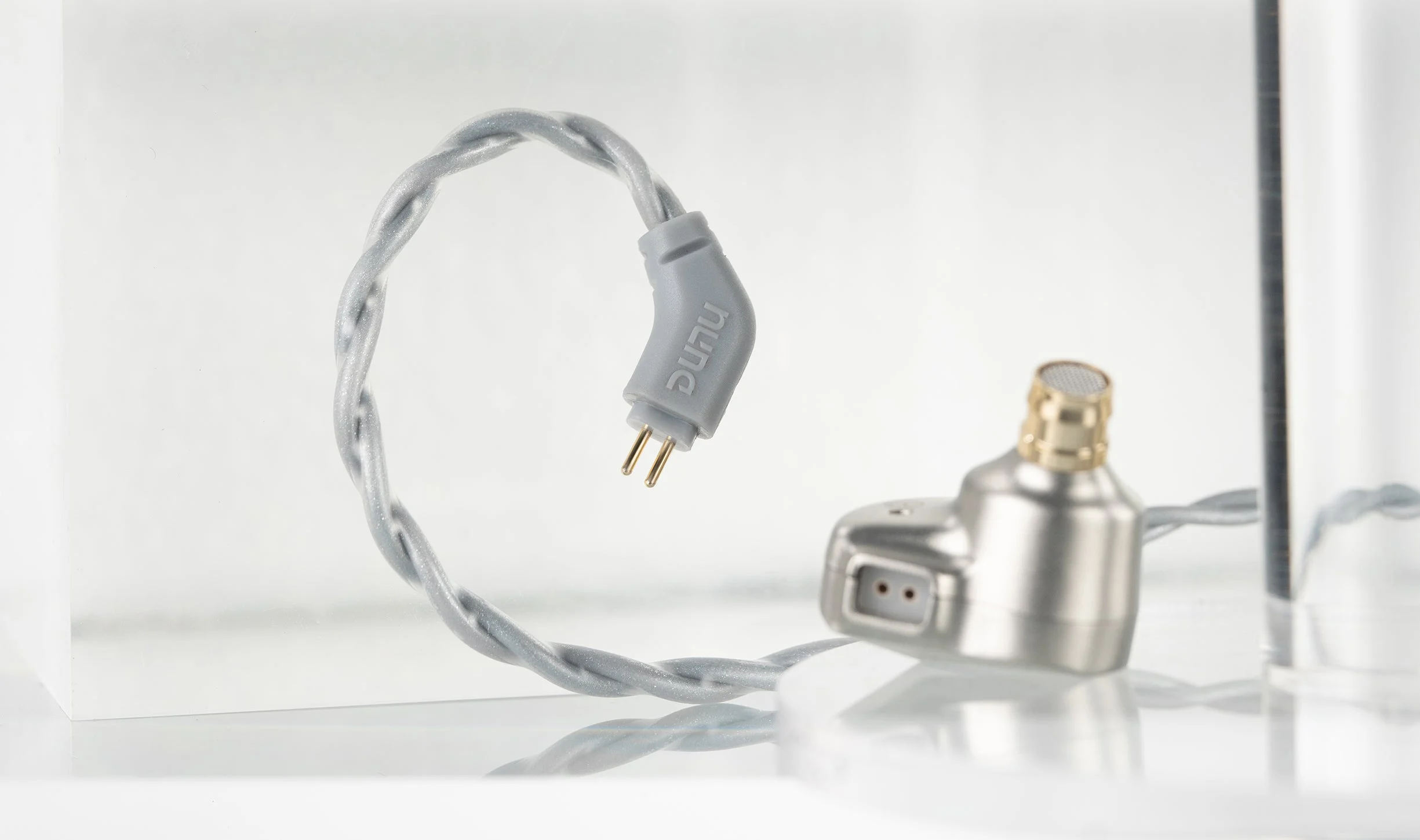
The DUNU Kima 2 is the kind of IEM that makes sense almost immediately. It does not try to stun you with bass quantity, exaggerated sparkle, or a spec-sheet gimmick that dominates the whole conversation. Instead, it goes after something harder to get right at this price: a sound that feels composed, natural, and easy to trust over long listening sessions. That restraint is what gives the Kima 2 its appeal. In a market full of $100 to $150 earphones that sound like they are competing for attention, this one sounds like it was tuned to keep music believable.
That is also why the Kima 2 lands as a reviewer-friendly product. DUNU has taken the Kima line’s reputation for clean tonality and built it into something more mature. This is a single dynamic-driver IEM with very good timbre, a tasteful warm-neutral balance, strong accessory value, and few obvious mistakes. The most important caveat is just as clear. If you buy IEMs for big low-end drama or wide-open staging, the Kima 2 is probably not your set. If you care more about vocal realism, tonal coherence, and day-to-day usability, it becomes very easy to recommend.
The Kima line grows up without losing its identity
On paper, the Kima 2 gives DUNU plenty to talk about: a next-generation DLC composite dynamic driver, a high magnetic flux circuit inspired by the Falcon Ultra platform, a stainless-steel shell, and the company’s Q-Lock Mini interchangeable plug system. Those are real upgrades, but the more interesting point is how they show up in the finished product. The Kima 2 does not come across like a laboratory exercise. It comes across like an attempt to refine an already good idea into something more complete.
DUNU’s own product materials position the Kima 2 as an evolution of the VERNUS tuning foundation, and that description holds up. DUNU did not reinvent the sub-$150 single-DD category. It tightened the formula: better accessories, better cable flexibility, better source compatibility thanks to 3.5mm and 4.4mm plugs in the box, and a tuning that is cleaner and more settled than many of its direct rivals. That may not sound flashy, but it is exactly how a product becomes easy to live with.
Build, fit, and accessories feel unusually complete for the price
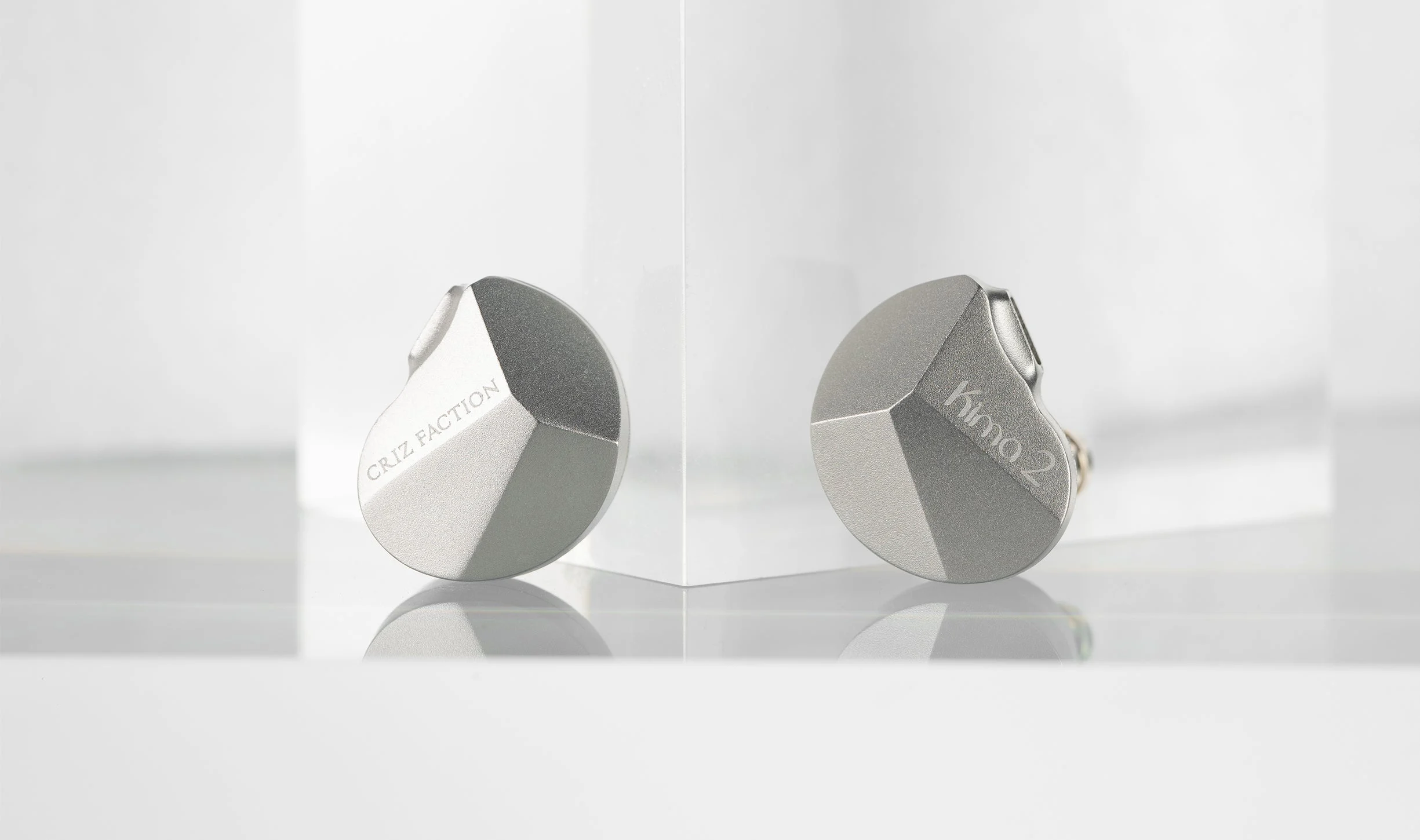
One of the Kima 2’s strongest advantages is that it does not behave like a budget compromise once you take it out of the box. The stainless-steel shells look sharp without becoming gaudy, and the angular faceplate design gives the set some personality without making it awkward to wear. Official specs list the shells at 10.5 grams per side, which sounds substantial on paper, but the actual fit is comfortable and stable once the right tips are in place. That matters because an IEM pitched around long-term listenability cannot afford a fussy or fatiguing fit.
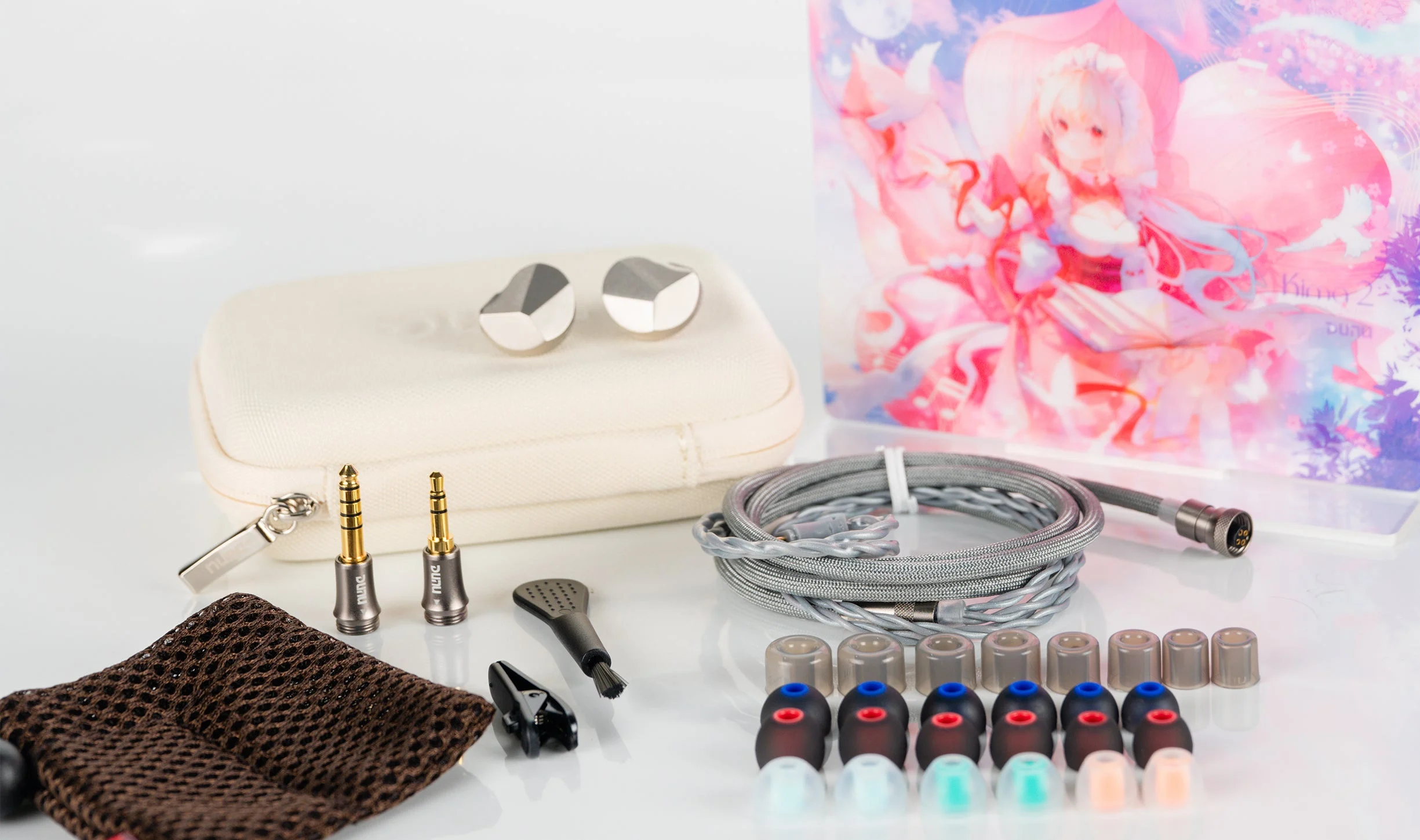
The accessory story is even more convincing. DUNU rarely treats the cable as an afterthought, and the included four-core hybrid cable is a serious value add here. It uses monocrystalline copper and silver-plated monocrystalline copper, but more importantly, it includes the Q-Lock Mini interchangeable plug system with both 3.5mm single-ended and 4.4mm balanced plugs. That instantly removes one of the most annoying upgrade decisions in portable audio. You do not need to choose between buying the right termination now or replacing the cable later. The Kima 2 shows up ready for both common use cases.
The rest of the package follows the same logic: a generous tip selection, a storage case, and a general sense that DUNU spent time on the ownership experience instead of only the driver. In practice, that makes the Kima 2 feel like a finished product rather than a platform you have to fix with aftermarket parts. At this tier, that is not a minor detail. It is part of the value argument.
The sound is built on timbre, balance, and self-control
The Kima 2’s sound is easiest to understand if you start with what it does not do. It does not deliver basshead quantity. It does not push treble into fake excitement. It does not try to manufacture technical fireworks by sharpening every edge in the mix. Instead, it aims for a balanced presentation with a slight warm-neutral tilt, enough bass weight to sound grounded, and enough upper-range energy to keep things articulate without tipping into glare. That tuning choice is why it sounds natural, organic, and easy to listen to.
The midrange is the real selling point. Vocals are full, believable, and well-centered, with particularly good timbre for a single dynamic design in this price bracket. That kind of tuning pays off across a wide range of material. Acoustic instruments, singer-songwriter recordings, pop vocals, jazz, and lighter rock all benefit when an IEM knows how to keep note weight intact without turning thick or sleepy. The Kima 2 understands that balance better than many competitors that chase first-listen spectacle.
Bass, meanwhile, sounds more disciplined than dominant. The low end has decent punch and texture, but its emphasis is on cleanliness rather than slam. That means kick drums and bass guitars carry shape and rhythm without flooding the rest of the mix. If your library leans heavily on EDM drops or thick cinematic rumble, you may wish for more sub-bass authority. If your priority is keeping the midrange clear and the overall presentation honest, the Kima 2’s approach makes a lot of sense.
Treble is handled with similar restraint. The Kima 2 is not dull, but it also does not try to impress by force. The treble is smooth, non-fatiguing, and reasonably detailed, with enough extension to preserve clarity but not enough bite to satisfy listeners who want a brighter, airier top end. That tradeoff feels deliberate. DUNU chose tonal cohesion over headline-grabbing sharpness, and for the intended audience that is probably the right call.
Where the tradeoffs show up
The Kima 2’s strengths are obvious, but its limits are fairly easy to predict too. Staging is intimate to average rather than expansive. Imaging and separation are respectable, yet not class-leading. A touch of bass warmth creeps into the mids, and the tuning is smoother and more musical than surgically separated. Those are not deal-breakers in context. They are the compromises that come with prioritizing coherence over showmanship.
It is also worth being honest about preference. The Kima 2 is not the universal answer for everybody shopping under $150. Listeners who want a harder V-shape, much bigger bass presence, or a brighter and more technical top end may find it too polite. The same goes for people who judge new gear mostly by the size of the stage or by how aggressively it extracts micro-detail. The Kima 2’s personality is more grown-up than that. Its appeal is less about instant wow and more about how little it gets wrong.
Who should buy it
The best audience for the Kima 2 is the listener who wants one solid, versatile single-DD IEM instead of a collection of specialized compromises. It makes sense for someone moving up from entry-level sets and wanting better timbre, better accessories, and a more refined all-round presentation. It also makes sense for the hobbyist who already owns more aggressive IEMs and wants something calmer, more natural, and easier to use for long sessions at work or at night.
Just as importantly, it makes sense for the portable listener who uses different sources. The included 3.5mm and 4.4mm plugs remove friction, and the tuning itself sounds forgiving enough that you are not forced into a narrow pairing strategy. It is somewhat source-sensitive in warmth, which fits a set with this kind of tuning, but not in a way that changes the bigger picture. You do not need exotic amplification to enjoy the Kima 2. You just need a source that lets its balance come through cleanly.
Final verdict
The DUNU Kima 2 is a very smart piece of product design. It takes an already respected line, keeps the parts that worked, and improves the areas that actually matter: cable quality, connectivity flexibility, accessory completeness, and tuning maturity. More importantly, it avoids the trap of confusing intensity with quality. The Kima 2’s case is not that it does one spectacular thing. Its case is that it does many important things well, and does them in a way that should age nicely after the first rush of release-week enthusiasm fades.
If you want a sub-$150 IEM built around natural timbre, balanced tonality, and an ownership experience that feels complete before you buy a single accessory, the Kima 2 is easy to take seriously. If you want maximum bass, maximum sparkle, or maximum stage, look elsewhere. For everyone in the middle—the listeners who want an IEM that sounds thoughtful rather than theatrical—the Kima 2 is one of the safer recommendations in its class.