Buying your first IEM is confusing for a simple reason: the market makes it look more technical than it really is. You see driver counts, impedance numbers, connector types, review jargon, and weekly claims about a new budget giant killer. For a beginner, that flood of information creates the wrong instinct. It encourages you to shop by spec sheet when you should be shopping by fit, tuning, and use case.
The most useful way to think about an IEM is not as a tiny machine packed with trivia, but as a personal listening tool that has to do three things well: fit comfortably, seal properly, and sound like the kind of music reproduction you actually enjoy. Get those three things right and even a modestly priced IEM can feel like a major upgrade. Get them wrong and an expensive one can feel disappointing in under ten minutes.
Start with the question that matters most: what do you want this IEM to do?
Before you compare models, decide where this pair will live in your life. A commuter, an office listener, a casual music fan, a gamer, and a musician on stage do not all need the same thing. If you want an IEM mostly for portable music listening, comfort and tonal balance should lead the conversation. If you need one for rehearsal or live monitoring, isolation, secure fit, cable reliability, and durability matter more. If it will spend most of its time at a desk, source noise and cable convenience start to matter a little more than pocketability.
This sounds obvious, but many first-time buyers skip it. They end up purchasing whatever the internet is currently excited about, then discover that the tuning is too bright, the shells are too large, or the cable connection is awkward for how they actually listen. A good first IEM should fit your habits before it fits a trend.
Fit and seal are not side issues. They are the foundation.
If you learn only one thing before buying an IEM, make it this: a proper seal changes everything. In-ear monitors are designed to sit in the ear canal with a tip that creates both isolation and the acoustic conditions needed for full bass response. If the seal is poor, bass thins out, the tonal balance shifts, and even a well-reviewed set can sound small or strangely sharp. Beginners often blame the IEM when the real problem is the fit.
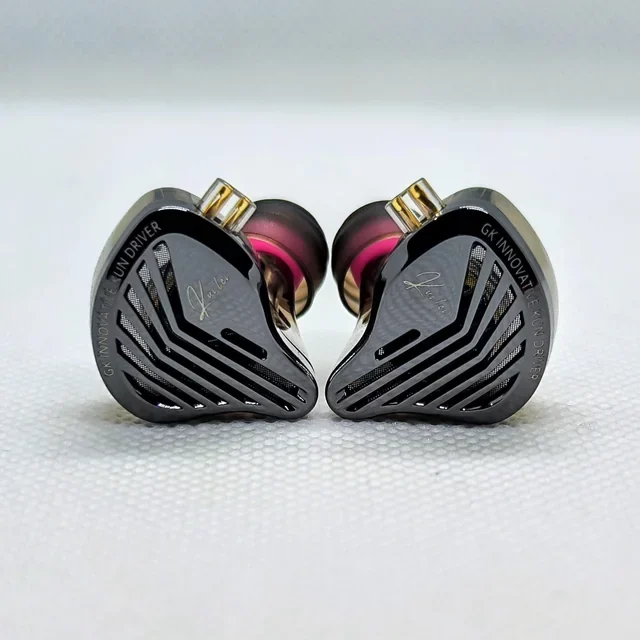
That is why comfort deserves more respect than beginners usually give it. Small, lightweight shells with sensible nozzles are often easier to live with than aggressively shaped shells that look exciting in product photos. Ear tips matter too. Most brands include several silicone sizes, and some include foam tips or multiple tip styles. Sennheiser’s IE 200, for example, emphasizes compact dimensions and includes both silicone and memory foam tips, which is exactly the kind of practical detail that can matter more than a flashy driver story.
If a model has a reputation for great sound but a mixed reputation for fit, treat that as meaningful information. The best beginner IEM is not the one that impresses reviewers for five minutes. It is the one you can wear for two hours without wanting to pull it out.
Shop by tuning first, not by driver count
Once fit is accounted for, tuning is the next big decision. This is the overall balance of bass, mids, and treble: whether an IEM sounds warm, neutral, bright, V-shaped, relaxed, or bass-forward. Research and long-running headphone coverage both point to the same broad truth: tonal balance is the strongest predictor of whether you will actually like what you hear. That matters much more than whether the product uses one driver, three drivers, or twelve.
For beginners, a balanced or gently warm tuning is usually the safest place to start. It tends to travel well across genres and is less likely to sound fatiguing over long sessions. Bright IEMs can sound exciting at first because detail jumps forward quickly, but too much upper-mid or treble energy can become tiring. Heavy bass tunings can be fun, but they can also blur vocals and reduce versatility.
The mistake beginners make is assuming more hardware complexity guarantees better sound. It does not. A well-tuned single dynamic driver can be more enjoyable than a poorly tuned multi-driver hybrid. Buy the sound, not the parts list.
Understand the small specs, but do not worship them
A few basic specifications are worth understanding because they affect ownership, even if they do not tell the whole story. Impedance and sensitivity give you a rough idea of how easily an IEM can be driven. Many beginner-friendly models are easy to run from a phone dongle or laptop, though a cleaner external dongle DAC can still help if your onboard audio is noisy.
Connector type matters too. The two most common detachable cable systems are 0.78mm two-pin and MMCX. Two-pin is now extremely common in the hobby. MMCX still appears on established models and offers easy rotation, though some listeners prefer the simplicity and replaceability of two-pin.
Plug type is another place where beginners can overthink things. Most people should start with a normal 3.5mm connection. Balanced plugs such as 4.4mm are useful only if your source already supports them and you know why you want one. They are not a mandatory entry ticket to good sound. The same goes for aftermarket cables. Nice cables can improve ergonomics, flexibility, and aesthetics, but they are rarely the thing that turns a bad IEM into a good one.
Set a budget that leaves room for tips and a simple dongle
One of the healthiest habits a beginner can build is refusing to spend the entire budget on the earphones alone. In practice, your real starter package may also need spare tips, a dongle DAC if your phone lacks a headphone jack, or a better source if your laptop output is noisy. That does not mean you need an expensive setup. It means you should think in systems rather than single purchases.
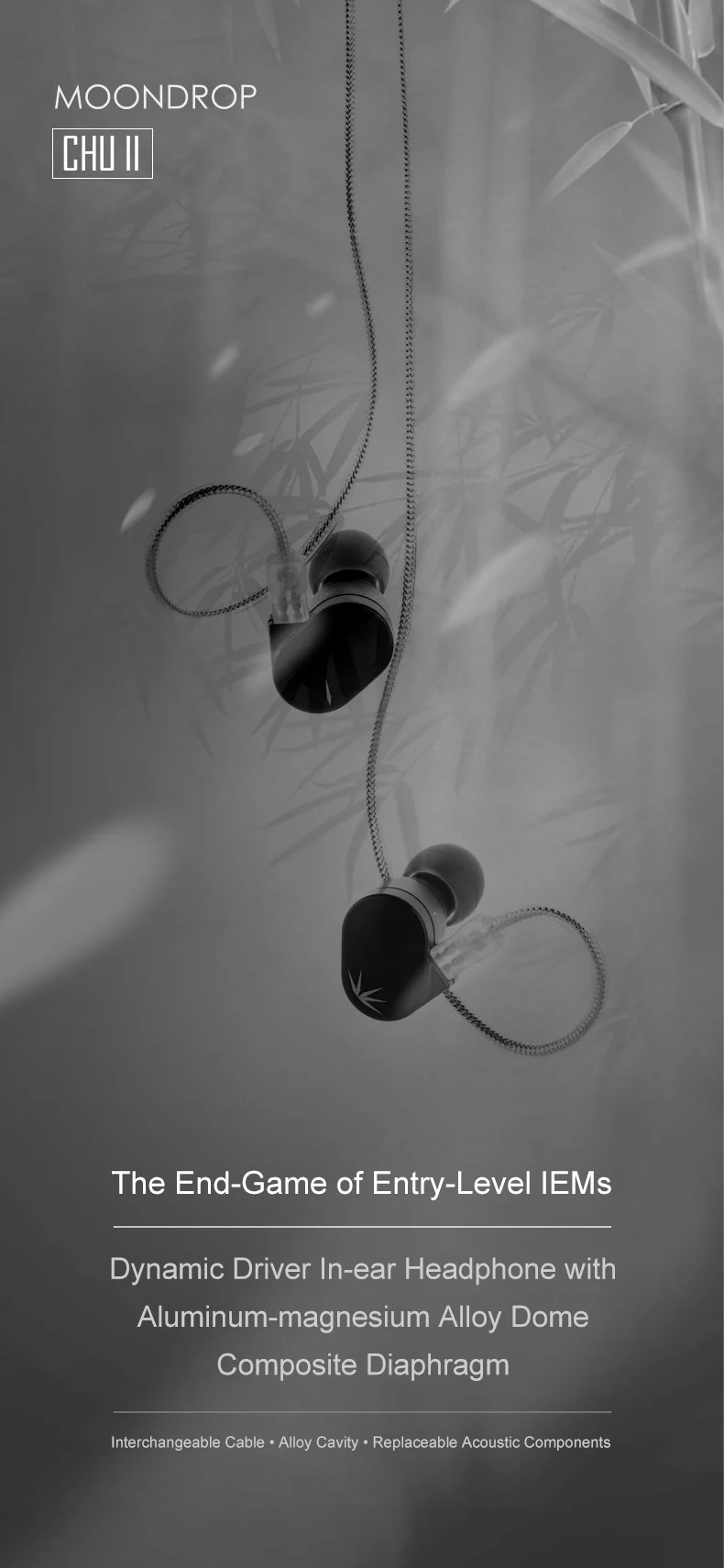
For many people, the sweet spot for a first IEM is still in the affordable range. That part of the market moves quickly, but the lesson stays the same: you do not need to spend big to learn what kind of tuning and fit you prefer. Entry-level sets are better than they used to be, and many now include detachable cables, decent accessories, and respectable tuning without much financial risk.
If you want to spend more, do it for a reason you can explain in one sentence. Better comfort. Better accessories. Better tonal balance for your taste. Better isolation for stage work. Better build confidence from a brand you trust. More expensive is not, by itself, a reason.
Think about brand reputation in practical terms, not romantic ones
For a beginner, brand reputation is useful when it points to something concrete: consistent QC, easy part replacement, sensible accessory packs, or reliable customer support. It is less useful when it becomes mythology. Some newer hobby brands move fast and offer startling value. Some older professional brands offer better long-term availability of cables, sleeves, and support. Those are different strengths, and both can matter depending on why you are buying.
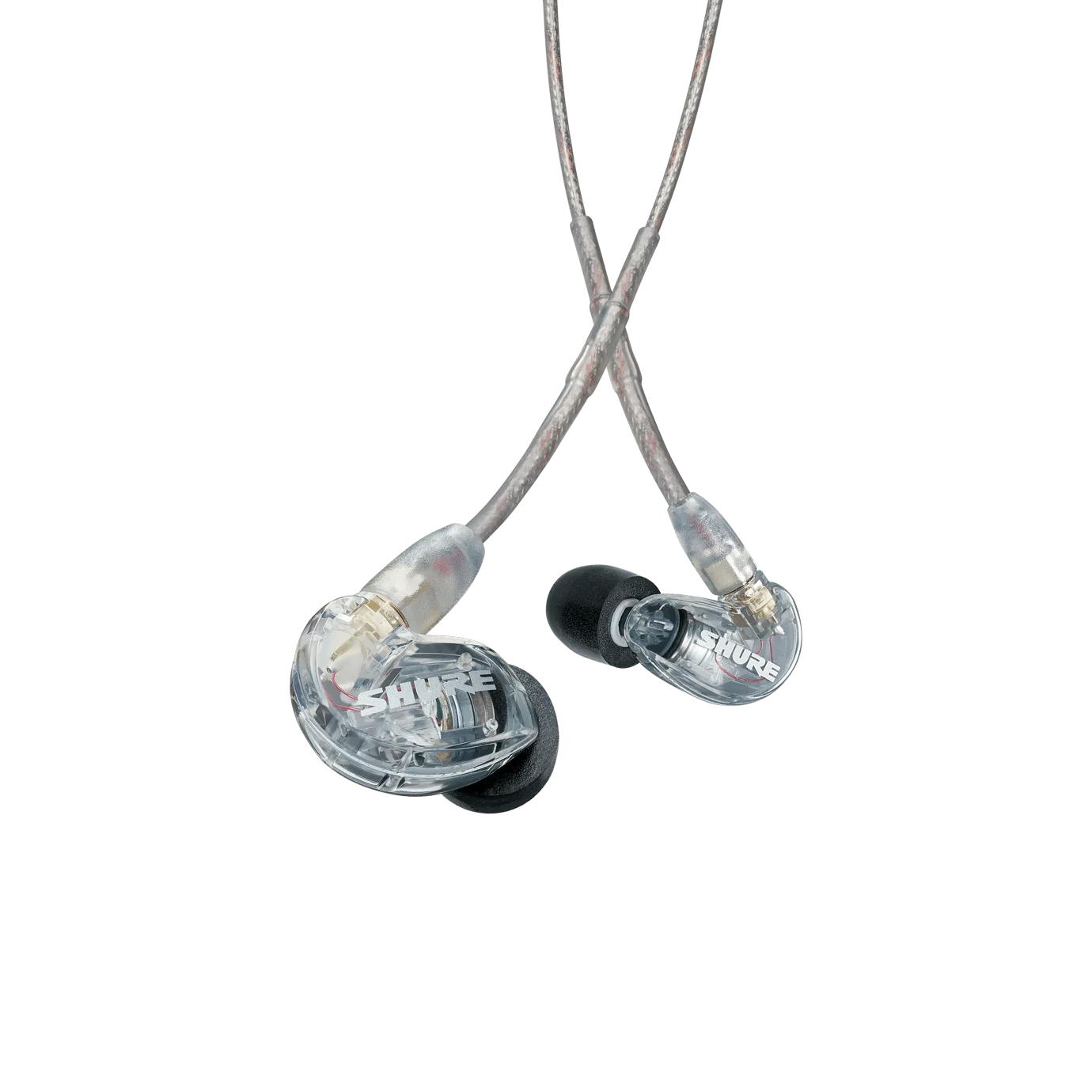
Take the Shure SE215 as an example of that second category. It is not the hobby’s freshest tuning reference, and it should not be bought just because it is famous. But Shure still positions it around sound isolation, detachable cables, included sleeves, and day-to-day dependability. If your priority is dependable stage-style ownership rather than chasing the latest enthusiast darling, that kind of product makes more sense than social media rankings would suggest.
How to avoid the three most common beginner mistakes
The first mistake is chasing consensus too literally. Reviews are useful, but they often describe differences that only become meaningful once you have some reference points of your own. If five good budget IEMs are all circling the same general level of quality, the practical move is not to spend three weeks trying to identify the one true winner. It is to choose a credible one and begin learning your own taste.
The second mistake is ignoring comfort warnings. People love to rationalize poor fit when a model is popular. Do not do that. If the shell shape, nozzle size, or tip situation sounds questionable for your ears, believe the warning signs early.
The third mistake is assuming accessories can rescue a bad match. Cables, DACs, and aftermarket tips can refine an experience, but they should not be used to justify a first purchase that is fundamentally wrong for your taste. If you already know you dislike bright tuning, do not buy a bright IEM because someone online said a different tip might fix it.
A simple buying framework for your first IEM
If you want a practical checklist, use this. First, choose your use case: casual listening, commuting, gaming, or stage monitoring. Second, choose your comfort risk level: small shells and simple shapes are safer for a first buy. Third, choose your tuning preference: balanced or gently warm if you are unsure, more specialized signatures only when you already know you want them. Fourth, confirm the connection and plug type work with your source. Fifth, leave room in the budget for tips or a basic dongle. Then stop shopping and start listening.
That last step matters because no guide can replace your own ears. The point of a first IEM is not to win the internet. It is to establish your reference point. Once you know whether you prefer more bass, smoother treble, smaller shells, stronger isolation, or a lighter cable, every purchase after that becomes easier and smarter.
Buy your first IEM like a beginning, not a finish line
The best first IEM is rarely the one with the loudest marketing or the most dramatic graph. It is the one that teaches you what you value. Prioritize fit. Prioritize seal. Prioritize tuning. Understand the specs just enough to avoid obvious mistakes. Spend carefully. And leave enough curiosity for the second pair, because that is usually when the hobby starts to make real sense.